
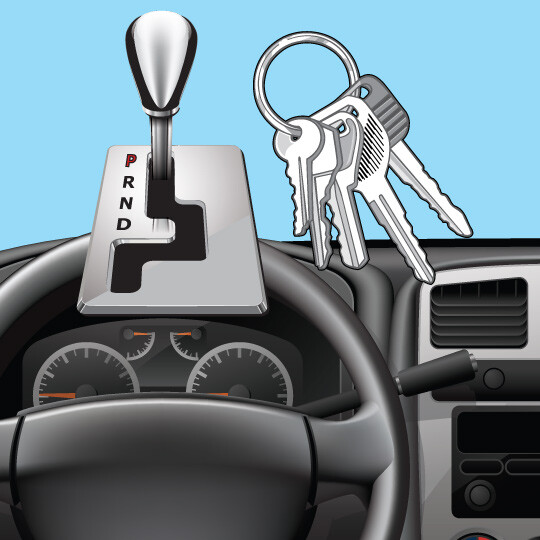
1. TURN ON CAR
Turn on car normally.
Alerts you when the outside temperature is detected to be at or below freezing, which can impact the conditions of roadways.
This recently introduced feature uses temperature readings and other information to help warn drivers when roads are or may become icy.
Turn on car normally.
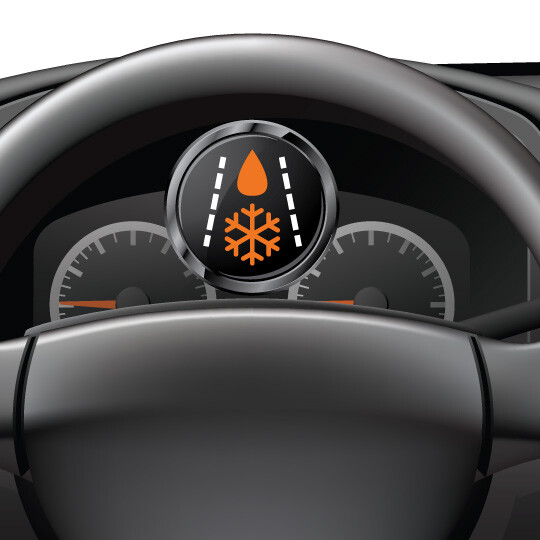
Look to the dashboard for a warning that the temperature is below freezing.
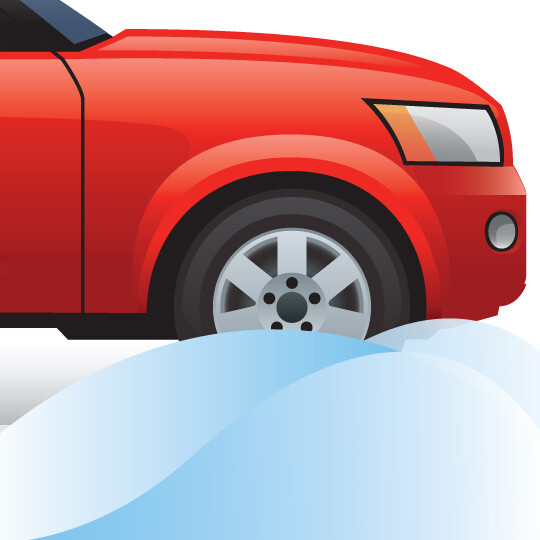
Choose to delay driving or change your mode of transportation if conditions are too dangerous for driving.
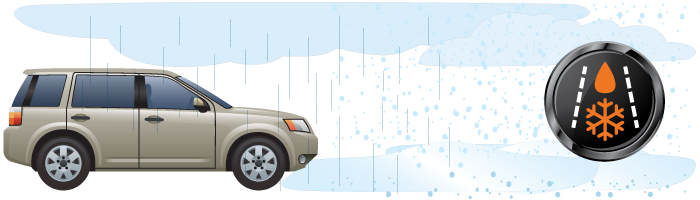
This feature warns drivers when the temperature is below freezing outside – which is an indicator that there may be ice on the roads – which will help drivers be on the lookout for slippery conditions.
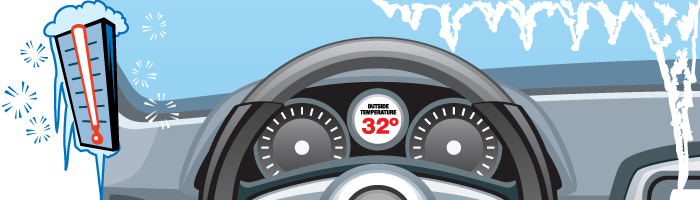
A thermometer works with your vehicle’s dashboard or infotainment system to warn you when the outside temperature drops below freezing (0 degrees Celsius or 32 degrees Fahrenheit). Most versions of temperature warnings don’t take into account the vehicle’s internal temperature, just the temperature outside (which is more relevant in whether there is ice on the grounds).
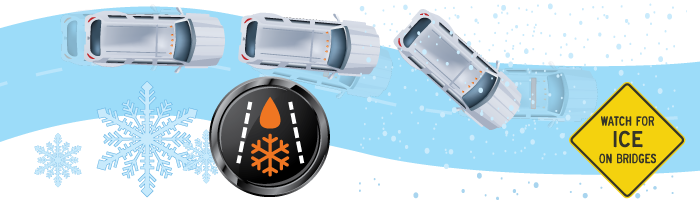
If you receive a temperature warning, you should use this information as one of the many factors you should consider on whether it is safe to drive. Other factors to consider include what you already know about the weather between you and your driving destination and your car’s handling in snowy weather or on ice.
This warning should remind you of factors that could make it more dangerous to drive when combined with icy roads, such as driving at night or over bridges.
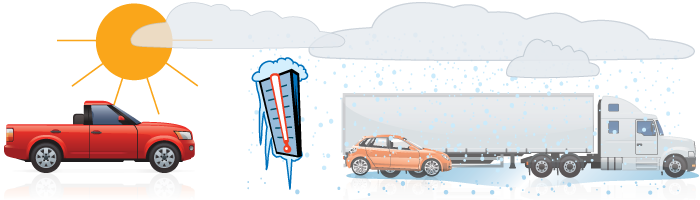
You may also see this feature called road surface temperature warning in some cars.
While today’s temperature warning and road surface warning features don’t manually scan the road to determine its condition, future versions of this feature may have these capabilities. Continue checking out MyCarDoesWhat.org to learn more!
Currently, temperature warning systems only alert you to the possibility that there may be ice on the roads.
Black ice is formed by cold temperatures and moisture. While it may be below freezing outside, if roads don’t have adequate moisture to form ice, it isn’t likely that there is black ice on the roads.
However, black ice is very difficult to detect – even when driving on it – so if you’re driving a long distance, it’s not safe to assume that just because your current location doesn’t have black ice there isn’t black ice further along the road.
Content Source: MyCarDoesWhat.org



Warranties include 5-year/60,000 mile powertrain and 3-year/36,000 basic. All warranties and roadside assistance are limited. See retailer for warranty details.