Blog / Albertville Ford Service

Blog

All Albertville Ford Service Albertville Ford Dealer Gilbert & Baugh Ford Blog Albertville Used Cars Ford How To Videos Ford News News

What is Obstacle Detection?

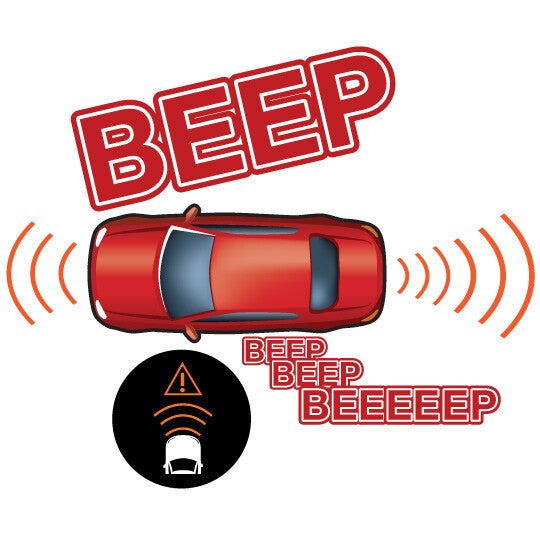
Obstacle Detection Can sense slow-moving or stationary objects when driving at low speeds. Some may even brake for you to avoid obstacles. This feature activates at slow speeds and will provide warnings of impending collisions. For some versions, it will brake the car automatically. What It Does WHAT IT DOES: Uses sensors mounted in the front and or rear bumpers to determine the distance between the car and nearby objects. WHAT IT DOES NOT DO: It is not as susceptible to low-visibility conditions like fog, snow and rain because it uses radar and sonar technology versus a camera. Quick Guide 1. Pay attention Pay attention to beeps and lights when backing and parking. 2. Be Ready to React Be prepared to react if an obstacle is detected behind you, or in front of your bumper for some systems. 3. Know the Limits Don’t only rely on this technology. Use your mirrors and eyes. How it works WHAT IT DOES The parking obstacle detection system warns a driver about nearby obstacles that are usually low to the ground (e.g., hydrant, bicycle, guard rail). It’s primarily for backing-up or for slow maneuvering when parking. THE TECHNOLOGY BEHIND IT An obstacle detection system uses ultrasonic sensors mounted on the front and/or rear bumpers. These sensors can measure the distance between your car and nearby obstacles directly around the front or rear bumper. The driver is alerted by beeps or the dashboard display. The beeps become faster as the vehicle moves closer to the obstacle. A collision is imminent when the beeps become a continuous tone. WHAT YOU NEED TO DO This feature varies among car models. Know how your car’s system works before driving, especially if it’s a rental car. Also, make sure the sensors are clean and not covered by debris or stickers. TIPS FOR USING The obstacle detection feature is not a substitute for using your mirrors and your eyes. Get to know how your particular system works. It’s a good idea to always walk around your car before driving. Question & Answers When should I use my obstacle detection system? This feature is designed to warn you during parking that you may be close to another object like another car or garage wall. Your owner’s manual can offer more details. Will this feature detect people or children? It may be able to detect in some conditions, but this feature was NOT designed to detect people. Can I turn this feature off? Yes. There is usually the capability to disable the obstacle detection system. Check your manual for details. Content Source: MyCarDoesWhat.org
Forward Collision Warning Step 1

What is Forward Collision Warning?

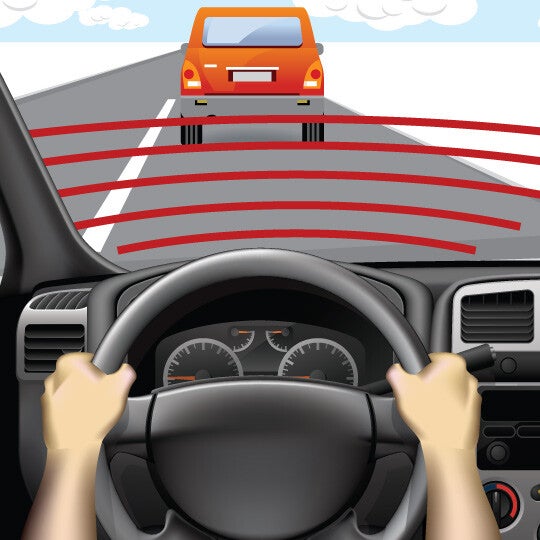
Forward Collision Warning Forward collision warning can alert you of an impending collision with a slower moving or stationary car in front of you. What It Does WHAT IT DOES: Designed to alert you to a hazard ahead so that you can brake or swerve in time. WHAT IT DOES NOT DO: Forward collision warning alone will not automatically brake for you. Quick Guide 1. Scan Scan the road ahead and maintain a safe following distance. 2. Be Alert Warning tones or visual alerts will warn you that a collision is about to occur. 3. Prepare to Brake Brake or steer to safety to avoid a crash. How it works WHAT IT DOES Forward collision warning scans the road ahead while you drive. It’s designed to warn you if you’re about to crash into a slower moving or stopped car. Some features can detect other objects, but check your owner’s manual to make sure you understand its capabilities. THE TECHNOLOGY BEHIND IT Sensors located in the front of your car are able to detect how close you are to cars in front of you. These typically are camera- or radar-based. Warnings can come in the form of sounds, visuals, vibrations or a quick brake pulse; or, a mix of warnings. WHAT YOU NEED TO DO Always be a cautious driver and keep a safe following distance from the traffic ahead of you. However, sudden braking might be needed at any time. Forward collision warning is designed to alert you to a hazard ahead so that you can take action in time. If you are warned by the system, prepare to brake or steer quickly. TIPS FOR USING Your forward collision warning feature’s sensors can be blocked by ice or snow, so be sure to clear any build-up off your feature’s sensors before you begin driving. If you aren’t sure where your forward collision warning’s sensors are located, you can always check your owner’s manual or with your dealership. Some forward collision warning features are vulnerable to glare at sunrise and sunset, so don’t rely on this feature exclusively. Always pay attention to the road ahead. Rear-end crashes are the most common crash type in the United States. Question & Answers What else is this feature called? Different manufacturers call this system different names. You may see it referred to as: Pre-crash system Forward crash warning Collision mitigating system Collision avoidance system Forward collision avoidance system Rear-end crash avoidance system Automotive collision avoidance system Does this feature brake my car for me? Newer forward collision warning features with automatic braking may also brake your car in an emergency. While this capability is becoming more and more common in many new cars today, not all earlier versions of forward collision warning can slow or stop your car automatically. Check your owner’s manual or with your dealership for more information. Will this feature detect any size of vehicle? Forward collision warning best detects vehicles in front of you. However, not all features will be capable of detecting motorcycles, bicycles, pedestrians, some farm machinery and other vehicles smaller than a car. Does forward collision warning work in bad weather? Some versions of this feature use different types of sensors to detect other vehicles in front of you. Some of these sensors may not work well in some conditions, such as driving through fog or driving inside of a tunnel. Rain and snow can also affect such systems. Content Source: MyCarDoesWhat.org
What is Brake Assist?

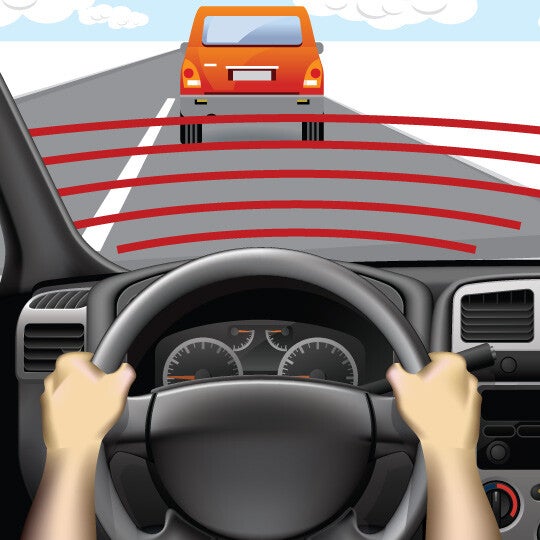
Brake Assist Adds additional braking power to your car during emergency stops. Drivers’ reaction times don’t always match how quickly they need to react to avoid a crash. If electronic braking assistance notices drivers slamming the brake pedal, it applies maximum force to the brakes to help make sure the car stops as quickly as possible. Make sure to keep a safe following distance from vehicles ahead of you as you drive. What It Does WHAT IT DOES: You brake, it brakes harder. WHAT IT DOES NOT DO: Does not automatically stop your car. (See Automatic Emergency Braking) Content source: MyCarDoesWhat.org

What Are Adaptive Headlights?

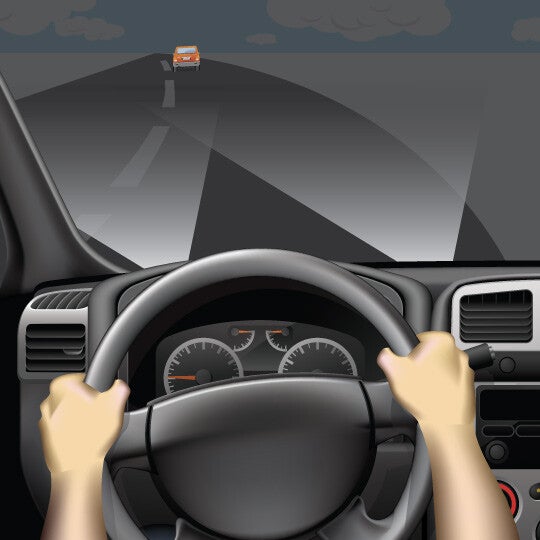
Adaptive Headlights Adapts to changing roadway conditions – such as curves – to better help illuminate the roadway along your path. What It Does WHAT IT DOES: Headlights actually move side to side as the steering wheel turns. WHAT IT DOES NOT DO: Does not automatically switch from low beams to high beams. Quick Guide 1. USE Adaptive headlights adjust to help you see on dark curved roads and over hills. 2. STEER They move when you steer. 3. SCAN Be aware of objects ahead. How it works WHAT IT DOES Adaptive headlights better illuminate the driving environment compared with traditional headlights, allowing you to see more at night or in low-light conditions. THE TECHNOLOGY BEHIND IT Unlike traditional headlights, which are in a fixed position and only capable of illuminating directly in front of you, adaptive headlights are not in a fixed position at all times. These headlights use electronic sensors that can detect your steering angle to swivel based on the direction your car is heading. WHAT YOU NEED TO DO Use these headlights as you normally would and pay attention to any objects or vehicles that are illuminated by them – especially on curves. As always, make sure to scan ahead while driving for potential obstacles or road hazards. TIPS FOR USING IT Reduce your speed and drive cautiously when approaching a curve. If you spot a hazard, react by braking or steering – don’t oversteer or you may lose control. When approaching oncoming cars with their high-beams activated, it’s a good practice to look toward the white lines on the side of the road in front of you to help prevent you from being blinded. Question & Answers Do adaptive headlights shine up and down hills? Adaptive headlights, as currently marketed, are primarily intended to move side-to-side to help illuminate curves and corners. Some versions of this feature – or other types of features altogether – are capable of moving up and down. This capability is helpful for seeing up and down sharp inclines. Can adaptive headlights auto-dim to help prevent blinding oncoming motorists? Auto-dimming headlights are separate features from adaptive headlights; but if you have adaptive headlights, this feature may have been packaged with it. Check your owner’s manual or with your dealership to find out more about what your headlights’ capabilities are. Content Source: MyCarDoesWhat.org
Automatic Braking Step 1

What is Automatic Emergency Braking?

Automatic Emergency Braking This feature can sense slow or stopped traffic ahead and urgently apply the brakes if the driver fails to respond. What It Does WHAT IT DOES: Uses sensors to track cars ahead and automatically slam on the brakes in an impending crash. WHAT IT DOES NOT DO: It can’t always prevent a rear end collision, but may lessen the severity. Quick Guide 1. Scan Scan the road for hazards and maintain a safe following distance. 2. Be Alert If in a collision imminent situation and you have not responded, the car will automatically brake hard. Warning tones and other visual alerts may also activate during or after the emergency event. 3. Take Action Brake or steer to avoid the hazard ahead. If you don’t, the vehicle will slow down rapidly or stop on its own to avoid a crash. How it works WHAT IT DOES This feature may typically be paired with a feature called forward collision warning. That feature scans the road ahead while you drive, warning you if you’re about to crash into a car. If you don’t react in time, automatic emergency braking quickly slows down your car or can even bring your car to a stop. THE TECHNOLOGY BEHIND IT Sensors located in the front of your car are able to detect how close you are to the car ahead. These typically are camera- or radar-based sensors. Warnings can be sounds, visual or vibrations, or a mix of warnings. If your car begins to brake, this will also act as an alert. WHAT YOU NEED TO DO Read your car manual or ask your dealer how your specific system works. These systems are not standard and vary from model to model. Automatic emergency braking is not fool-proof. Always keep a safe following distance from the traffic ahead. Stay focused on the road. TIPS FOR USING Automatic emergency braking relies on sensors that may be blocked by dirt, ice or snow. If so, the system will tell you that it won’t work. So, be sure to clear any build-up off your feature’s sensors or windshield before trips. Not sure where your automatic emergency braking’s sensors are located? You can always check your owner’s manual or with your dealership. Some automatic emergency braking features are vulnerable to glare from sunrise and sunset. You shouldn’t rely on this feature exclusively during those times – or at any other time. Question & Answers What are other names for this feature? You may find this feature marketed under one of the following names, or others: Forward collision mitigation system Pre-crash warning and braking system Intelligent braking At what speeds are this feature effective? Automatic emergency braking is generally designed to activate at highway speeds, as long as the forward collision warning sensors are able to detect the vehicle ahead. Newer systems work at slower speeds in towns. However, not all automatic emergency braking features are able to bring your car to a full stop. At speeds faster than normal highway speeds, automatic emergency braking may still be able to help slow you down enough that you can avoid the hazard. Will this feature activate for any size of vehicle? Automatic emergency braking and forward collision warning features are optimized to detect other vehicles in front of you while you drive. However, not all features will be capable of detecting motorcycles, bicycles and other vehicles smaller than a car. This is why you should always be aware of your surroundings and the traffic ahead, and never fully rely on a feature such as automatic emergency braking to help prevent you from being in a crash. Content source: MyCarDoesWhat.org

Anti-Lock Braking System Step 1

How Anti-lock Brakes Work

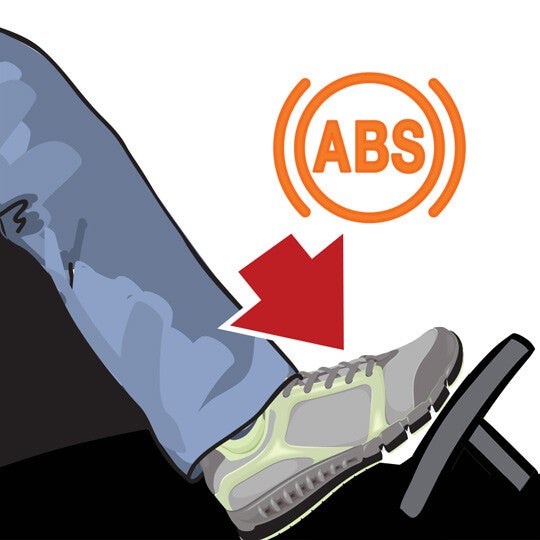
Quick Guide 1. APPLY Apply firm pressure to brake pedal. 2. HOLD Press and hold pressure to the brake pedal. 3. STEER Steer to safety. Quick Guide Video Play Video How it works WHAT IT DOES Four-wheel anti-lock brakes help you steer as you brake during an emergency. THE TECHNOLOGY BEHIND IT Wheel sensors detect when your car’s tires begin locking up. Then, they rapidly apply and release (pulse) the brakes to automatically keep your tires from skidding. WHAT YOU NEED TO DO When you feel or hear the ABS vibrating, continue to firmly press and hold the brake – then steer to safety. TIPS FOR USING If your car doesn’t have 4-wheel ABS or the ABS is not working, make sure to pump the brakes if your car begins to skid. ABS works most effectively when the tires are properly inflated and in good condition. Common causes of 4-wheel ABS malfunctions include worn brake linings and air or dirt in the brake fluid. Question & Answers What else is this feature called? The most common names for anti-lock braking systems include “anti-lock brakes” and simply “ABS.” Does ABS decrease my stopping distance? Yes and no. In emergencies, 4-wheel ABS can activate and pump the brakes faster than most drivers could on their own. That’s why on most road surfaces, 4-wheel ABS is more likely to stop your car faster than a car without it. However, 4-wheel ABS can actually increase stopping distance on some very slippery surfaces, such as lightly packed snow or ice on the road. Should I still pump my brakes when using a car with ABS? No. ABS works best when you firmly hold the brake, and allow it to manage the details of emergency braking. What's the difference between ABS and rear-wheel-only ABS? While 4-wheel ABS is meant to aid steering and is found in nearly all new cars and minivans, rear-wheel-only ABS – which is typically found in some pickup trucks, vans and SUVs – is only designed to help prevent those vehicles from spinning out on slippery surfaces. Check your owner’s manual to see if you car has 4-wheel ABS, rear-wheel-only ABS or does not have ABS. Do all new cars have ABS? Over the past 10 years, most car manufacturers have made ABS standard in their vehicles. The federal government required all new cars to have ABS by September 1, 2011. Content source: MyCarDoesWhat.org

My Car Does What?!

Learn more about Modern Car Safety Features at https://mycardoeswhat.org/ Nearly every car on the road today has safety features that can help drivers be safer. You may already know some of these, and some you may not even realize what your car has! Come back to this page often as more and more features are being developed and added to cars. Many of these new safety features are not yet standardized. Your car’s features may be different than someone else’s. Be sure to check your owner’s manual to best understand how your car works. You can also check out the Research & Blog section for the latest developments in car safety technology. New car safety features help keep you safe. Car technology may even prevent a crash or save a life. Do you know how to use these features? Which ones are already in your car? Plain spoken instructions, animation and graphics are at MyCarDoesWhat.org. - From back-up cameras to automatic braking to traction control and beyond. Knowing more will help keep you, your family and others safer on the roads.

DO I NEED A NEW CABIN AIR FILTER?

Cabin air filter change TITLE CARD: DO I NEED A NEW CABIN AIR FILTER? Brought to you by Quick Lane® Brought to you by Ford Service Music: Love me right: by The Swag Geeks TITLE CARD: CABIN AIR FILTER Question: Why should I replace my Cabin air filter? VO: Most cars now come equipped with a cabin air filter… Most cars have a cabin air filter VO: that filters out up to 90% of dust… VO: pollen… VO: and other airborn particles that pass through your air vents. Filters 90% of dust Pollen and more VO: Creating a healthier, more comfortable cabin environment whenever you use your air conditioner… Healthier More comfortable cabin environment VO: heater… VO: or fan. Whenever you use you’re A/C Heater and fan Question: How do I know I need it changed? VO: Fact is… VO: just like your home’s furnace air filter… VO: Over time, dust and dirt build up, which prevents it from doing its job efficiently. Fact is: Furnace air filter Over time dust and dirt build up VO: When this happens… When this happens VO: you may notice reduced air flow through your vents… Notice reduced air flow VO: SMELL bad odors… SMELL bad odor VO: or SEE a dusty build-up on the dash and instrument panel, or around the vents… SEE dusty buildup VO: Which means it’s time to replace your cabin air filter. It time to replace your cabin air filter QUESTION: How often should I change it? VO: It’s recommended that you replace your cabin air filter about every 15,000 miles. Replace your cabin filter every 15,000 miles VO: However, this can depend on how much and where you drive. Depends on how much and where you drive VO: Check your owner’s manual for recommended change intervals. Check your owner’s manual VO: Call to schedule an appointment SUPER: Schedule an appointment VO: to see our factory-trained technicians. SUPER: Factory-trained Technicians will service your vehicle   Ford Service Logo Tagline: Ford Service – Go Further.   YouTube Cabin air filter This helpful video will explain how the cabin air filter in your vehicle helps filter out dust and pollen for a more comfortable interior environment, and tell you some of the signs that may indicate it may be time to replace your cabin air filter.   Keywords: cabin air filter, air filter, interior, dust, pollen, air born particles, filter, air conditioner, ac, heater, fan, climate system, reduced air flow, bad odor, ford service, quicklane, quick lane

Why is Regular Maintenance Important?

TITLE CARD: WHY IS REGULAR MAINTENANCE IMPORTANT? Brought to you by Quick Lane® Brought to you by Ford Service Music: Love me right: by The Swag Geeks TITLE: The Works Question: Why do I need regular maintenance? VO: Fact is: Parts wear out over time. VO: You pretty much name it and it’ll need replacing sooner or later. Fact is: Parts WEAR OUT SOONER or LATER they’ll need replacement VO: routine checkups… VO: help to ensure your vehicle stay in good working condition. VO: And in the long run, can help save you money. Routine checkups helps maintain proper performance longevity and can help save you money VO: Remember, not keeping up with regular checkups… VO: may also affect your Manufacturer’s warranty. Remember Keep up with check ups May affect your Manufacturer’s Warranty Question: Aren’t all checkups the same? VO: Nope! VO: Most shops only change your oil, top off fluids and put air in your tires. NOPE! Most Only change the oil… Top off fluids… Put air in your tires Question: Is there something better? VO: Yes! VO: “The Works” it’s like going to your doctor for a checkup… VO: but for your vehicle. VO: Making sure EVERYTHING is working in top condition… VO: Like belts and hoses… VO: Brakes… VO: battery… VO: and so much more. VO: We’ll even rotate your tires. YES! The Works Multipoint inspection Belts & hoses Brakes battery New oil & filter We’ll even rotate your tires VO: In order to help your vehicle perform at its best longer. Question: When should I do it? VO: Since each part may need attention at different times… VO: we recommend following your owner’s manual maintenance schedule. Parts wear out at different times See your owner’s manual maintenance schedule VO: Call to schedule an appointment SUPER: Schedule an appointment VO: to see our factory-trained technicians. SUPER: Our Factory-trained Technicians will service your vehicle   Quick Lane Logo Tagline: Quick Lane® – Tire & Auto Center www.quicklane.com YouTube Why is Regular Maintenance Important? This helpful video will explain why it's important to keep up with maintenance on your vehicle, and why getting The Works is the perfect way to ensure it lasts a long time.   Keywords: the works, maintenance, ford service, quicklane, quick lane, battery, oil, filter, brakes, hoses, belts, tires, rotate, swag geeks, Love me right

Service After the Sale, Gilbert & Baugh Ford

Few dealerships treat you how you want to be treated when you're buying a vehicle, fewer treat you the way you deserve after the sell. At Gilbert & Baugh Ford in Albertville you can entrust us to take care of you today, tomorrow, and for as long as you give us the opportunity. We appreciate your business and it shows through how our customers rate us every day on Facebook, Google Maps, CarGurus, AutoTrader, Cars.com, and more. Why trust a dealership who only cares about you today? Come see the difference at Gilbert & Baugh Ford.

Parts – Brakes Rebate | Built Ford Proud | Ford

Service for your vehicle that is personalized. Register today at https://owner.ford.com to get customized maintenance reminders, special offers and rewards designed to keep your vehicle running smoothly. Get a $15 rebate by mail on any Motorcraft® brake service. Plus, get another $15 rebate when you use the Ford Service Credit Card.* *Retail purchases only. Dealer-installed Motorcraft or Omnicraft™ brake pads or shoes. Exclusions apply. Limit one redemption per axle. Taxes extra. Rebate per axle ($30 with Ford Service Credit Card, $15 without Ford Service Credit Card). Subject to credit approval. Complete purchase must be made on the Ford Service Credit Card for $30 maximum rebate on both axles. Offer valid 7/1/19 to 8/31/19. Submit rebate by 9/30/19 by mail-in rebate form or online at fordowner.com. Rebate by prepaid debit card. See participating U.S. dealership for vehicle applications and rebate details.

One Of Our Own – Tires Rebate | Built Ford Proud | Ford

Service for your vehicle that is personalized. Register today at https://owner.ford.com to get customized maintenance reminders, special offers and rewards designed to keep your vehicle running smoothly. Buy four select tires, get up to a $70 rebate by mail. Plus, get another $50 when you use the Ford Service Credit Card.* On these name brands: Goodyear, Dunlop, Michelin,® BF Goodrich, General Tire, Pirelli,® Bridgestone, Firestone, Yokohama,® Nitto®. *Dealer-installed retail purchases only. Up to $70 tire rebate and $50 credit card rebate by prepaid debit card. Subject to credit approval. Not valid on prior purchases. Complete purchase must be made on the Ford Service Credit Card for $120 maximum rebate. Offer valid 7/1/19 to 8/31/19. Submit rebate by 9/30/19 by mail-in rebate form or online at fordowner.com. Limit one rebate per account. Cannot be combined with any other tire manufacturer-sponsored or Ford Service Credit Card rebate/offer. See participating U.S. dealership for vehicle applications and rebate details. Ford Service Credit Card is issued by Citibank, N.A

Contact Us

Fill out this form below and we'll contact you shortly
*Required Fields